Newest Articles
We’ve previously established that chiropractic (and probably most
forms of non-invasive treatment approaches) cannot “cure” cancer.
However, we have found that some cancer treatment centers utilize
chiropractic care as part of the treatment process. But what about
cancer prevention? Is that possible?Up front, we need to
acknowledge that there is no one cause of cancer. [..]
Evidence, Pathophysiology, ManagementAt this moment I am co-managing two patients with multiple sclerosis. Both patients have a history of significant cervical spine/head trauma that occurred within a year of initiation of their multiple sclerosis symptoms. The primary symptoms that brought them to my care is spinal stiffness and pain. Both are experiencing significant improvement with [..]
Obviously, the goal of all healthcare providers, including the chiropractic management of Carpal Tunnel Syndrome
(CTS), is to AVOID surgical intervention, but this is not always
possible. Last month, we looked at herbal approaches to reduce
inflammation with the focused goal of preventing surgical need. But,
chiropractors also care for patients following a CTS surgery, [..]
Whiplash is a slang term for a condition called cervical acceleration, deceleration syndrome (CAD). There are facts and myths surrounding the subject of whiplash. Let’s look at some of the facts...
1. The origin of CAD. The history of CAD dates back before automobiles were commonplace. The first case of severe neck pain arose from [..]
Fibromyalgia
(FM) is a condition with a polarized audience comprised of those who
believe it's real and those who don’t. This interesting political-like
conflict is, in a large part, centered around the topic we discussed
last month concerning the causes of FM. This month's article will focus
specifically on the immune system and its relationship [..]
Neck pain is a very common problem. In fact, two-thirds of the population will have neck pain at some point in life. It can arise from stress, lack of sleep, prolonged postures (such as reading or driving), sports injuries. whiplash injuries, arthritis, referred pain from upper back problems, or even from sinusitis! Rarely, it can [..]
Last month, we started a great discussion on “what NOT to do” when you have low back pain (LBP). Let’s continue that focus this month!
5. STAY STILL: You’ve heard, “…don’t do that – you’ll get a bad back!” There is something to be said about being careful, but one can be too cautious as [..]
The beneficial effects of chiropractic care on the whole body
have been reported and previously discussed in prior articles. However,
we have not looked at whether chiropractic care can benefit the cancer
patient and if so, how?It has been estimated that by 2030, 12
million deaths will result from cancer with 30% having been preventable. [..]
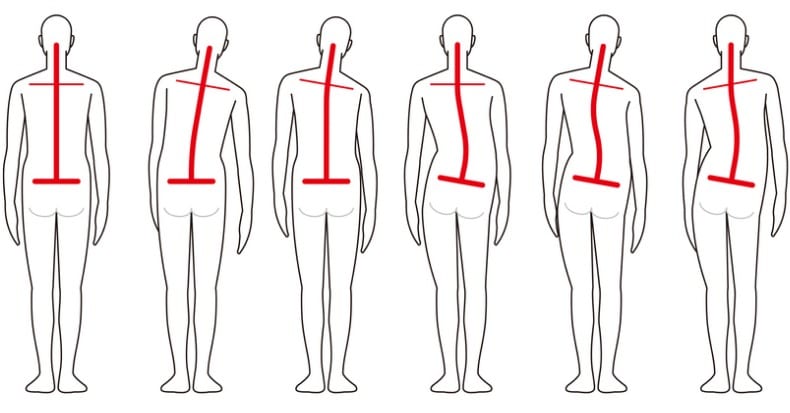
Posture is important to health and physiology. Entire medical texts and chapters in medical texts are dedicated to posture and its influences (1,2). An excellent description of the importance of gravity and posture on physiology is found in the text by James Oschman, PhD, titled (Oschman):Energy Medicine, The Scientific BasisDr. Oschman notes:Gravity is the most [..]
We often read about what to do for low back pain (LBP), but now let's look at LBP from the perspective of “what NOT to do!”
ICE vs. HEAT: If you ask your doctor, “what’s better for my back, ice or heat?” the answer is either one or the other or, “…whichever you like better.” [..]
There are many different types of headaches with a multitude of symptoms including achy, throbbing, nausea, vomiting, dizziness, numbness, blinding, noise, light and/or odor sensitivity, and more. The causes of headaches can include genetics (familial traits, like migraine headaches), stress or tension (probably one of the most common), environmental (allergies, seasonal, bright sunlight, loud noises, [..]
Carpal Tunnel Syndrome
(CTS) is a condition caused by the compression of the median nerve as
it travels through the carpal tunnel in the wrist. The “source” of
median nerve compression can be soft tissue swelling, such as
tendonitis, bursitis, synovitis, capsulitis, etc. Last month, we
discussed nutritional supplementation for CTS in general. This month, [..]